The Wavelengths used are 0.905microns to 1.55microns, while Class A, they are still lasers.
If you happen to be carrying the right sort of material on your skin for example, the wavelength could halve or quadruple. That would locally irradiate you at UV or microwave.
People looking straight at the sensor could get cataracts or irritated corneas.
Its unnecessary technology exposing everyone around it to new unknowns.
If near infrared (1000nm) can become uv with the wrong material, surely visible light from the sun can do the same and would become an even more dangerous wavelength? Or is this an effect that only happens to near-infrared? Ive not come across it before…
Let’s say it halved. That’s visible light, which at low wattage, is harmless.
If it quadrupled, its still infrared. Also harmless at those wattages
Remember here: youre dealing with something that is less harmful than visible light. So whatever fear you have must be much worse when it comes to things like daylight, indoor lighting, headlights, etc

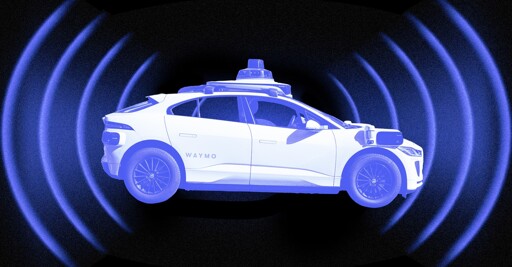
Here’s the thing: wavelengths shorter than visible light cause cancer. Wavelengths longer…don’t. They’re using the long wavelengths.
Not exactly how that works. But go ahead.
Got any pointers to references we can read up to learn more?
The Wavelengths used are 0.905microns to 1.55microns, while Class A, they are still lasers.
If you happen to be carrying the right sort of material on your skin for example, the wavelength could halve or quadruple. That would locally irradiate you at UV or microwave.
People looking straight at the sensor could get cataracts or irritated corneas.
Its unnecessary technology exposing everyone around it to new unknowns.
If near infrared (1000nm) can become uv with the wrong material, surely visible light from the sun can do the same and would become an even more dangerous wavelength? Or is this an effect that only happens to near-infrared? Ive not come across it before…
Let’s say it halved. That’s visible light, which at low wattage, is harmless.
If it quadrupled, its still infrared. Also harmless at those wattages
Remember here: youre dealing with something that is less harmful than visible light. So whatever fear you have must be much worse when it comes to things like daylight, indoor lighting, headlights, etc
You are very confident for someone who uses radar and laser interchangeably
I mean if they’re going to misuse words, might as well do it with confidence
Wouldn’t that sort of material also double the frequency of any other light source? Like a street lamp or the sun?