

As of this week, half of the states in the U.S. are under restrictive age verification laws that require adults to hand over their biometric and personal identification to access legal porn.
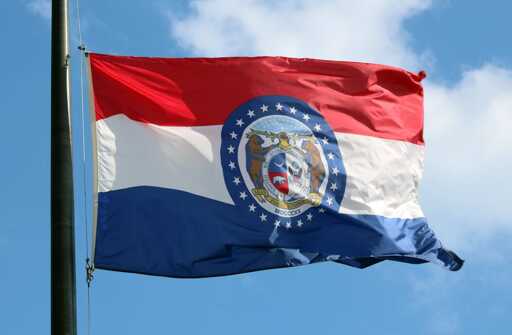
Missouri became the 25th state to enact its own age verification law on Sunday. As it’s done in multiple other states, Pornhub and its network of sister sites—some of the largest adult content platforms in the world—pulled service in Missouri, replacing their homepages with a video of performer Cherie DeVille speaking about the privacy risks and chilling effects of age verification.
Archive: http://archive.today/uZB13
When I read about this I’m always brought back to the conversation of “internet as a public utility”. I hope it’s cool if we can take a tangent.
See unlike any of our other utilities like natural gas electricity water and sewage, the only thing that could potentially give any meaningful information about us is our sewage, and the government already tests sewage for diseases. If we allow the government to “sell” us our internet they would basically be able to know everyone we are “talking too”. Also how could we ever have enough regulatory oversight to protect everyone on the internet. Symmetrically if the government wants to have so much regulatory control over our internet it should maybe pay for it.
Like I wouldn’t mind even paying another 50 bucks a month extra for “private internet” just so the government can have their free and regulated “public internet”. Or would I (・–・)ゞ?
That’s basically how cable TV started. Over-the-air TV stations were ad-supported and public broadcast was largely supported by public funds. Cable TV got off the ground by marketing itself as a commercial-free way to watch.
And then once everyone had switched to cable, they went “hey, why don’t we introduce commercials anyways? I bet people will keep paying for our service if we just gatekeep the media that people have gotten hooked on…” And that’s exactly what happened. They pivoted away from the “commercial free TV” sales pitch, and moved towards “gatekeep media and force people to pay for it” model instead.
Every benefit goes to providers, we get higher bills and they get subsidies
That almost feels analogous to the world burning… like this is going to sound a little macabre but are you really expecting 2026 to be better? If so can you articulate why??