On phones and tablets, variable refresh rates make an “always on” display feasible in terms of battery budget, where you can have something like a lock screen turned on at all times without burning through too much power.
On laptops, this might open up some possibilities of the lock screen or some kind of static or slideshow screensaver staying on longer while idle, before turning off the display.
With enough pitch black on the lock screen background, you should be able to keep it going for quite a bit longer, since this apparently has OLED. I think for phones, always on is usually a black background with text and stuff on it, isn’t it?
Most Android phones with always on have a grayscale screen that is mostly black. But iPhones introduced always on with 1Hz screens and still show a less saturated, less bright version of the color wallpaper on the lock screen.


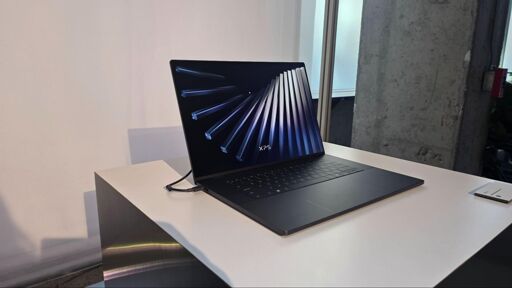
On phones and tablets, variable refresh rates make an “always on” display feasible in terms of battery budget, where you can have something like a lock screen turned on at all times without burning through too much power.
On laptops, this might open up some possibilities of the lock screen or some kind of static or slideshow screensaver staying on longer while idle, before turning off the display.
With enough pitch black on the lock screen background, you should be able to keep it going for quite a bit longer, since this apparently has OLED. I think for phones, always on is usually a black background with text and stuff on it, isn’t it?
Most Android phones with always on have a grayscale screen that is mostly black. But iPhones introduced always on with 1Hz screens and still show a less saturated, less bright version of the color wallpaper on the lock screen.